Privacy First.
Explore community and resources for lavender marriages — minus big tech.
Why This Site Exists
Honest information, without the surveillance
Learn about lavender marriages in a space free from big tech tracking, targeted ads, and data collection.
Find people open to this kind of partnership →
Discover dating platforms and communities where others are actively looking for the same kind of arrangement.
Understand what the law says where you live
Access legal guides and practical resources tailored to your country — so you can make informed decisions.
Feel less alone through shared stories
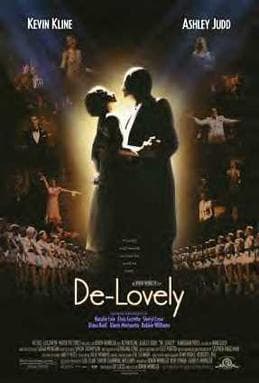
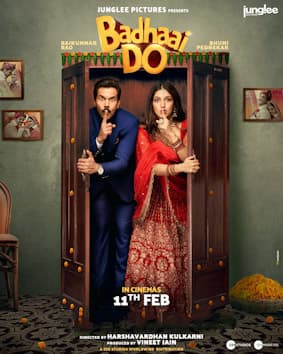
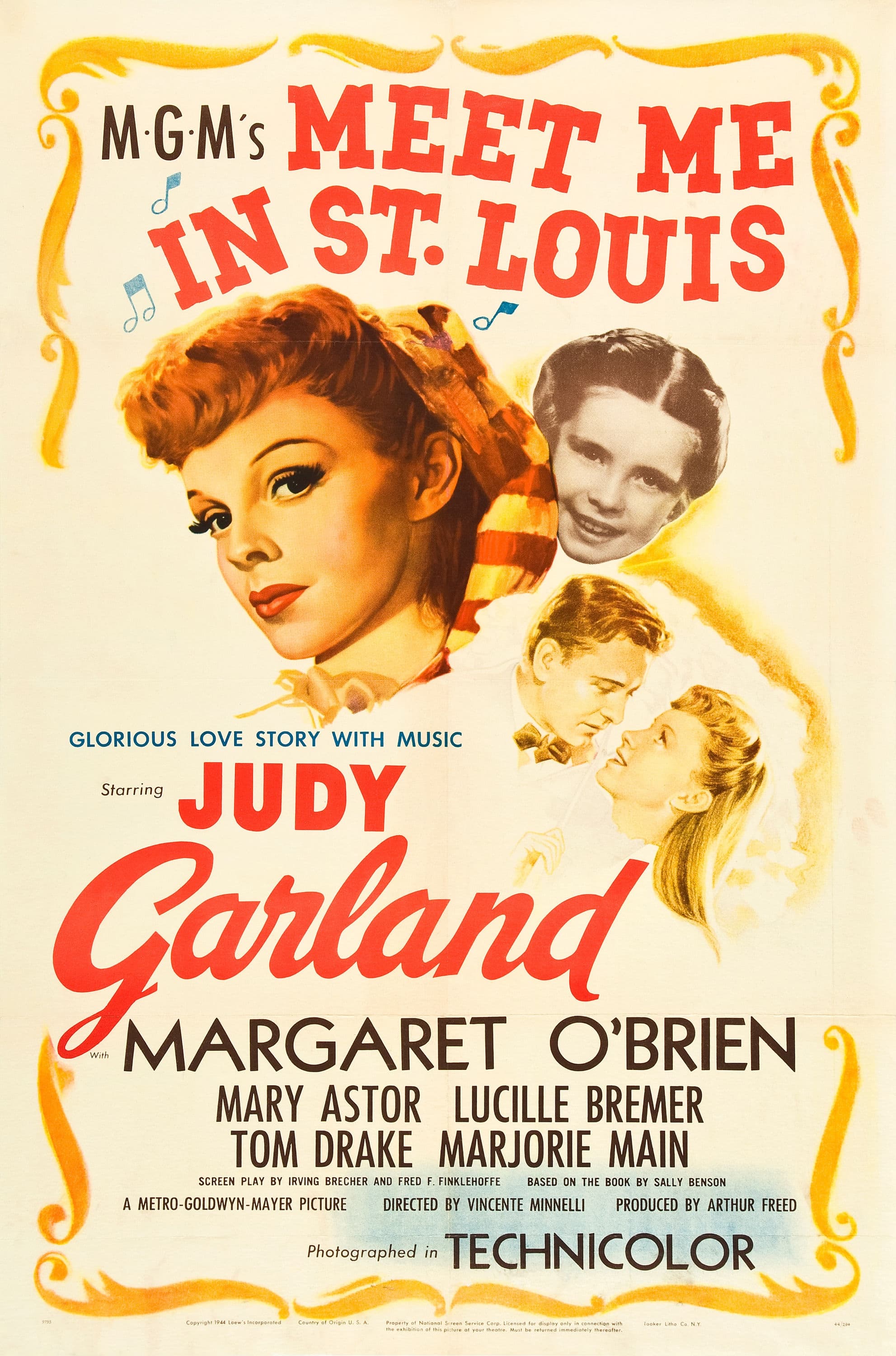
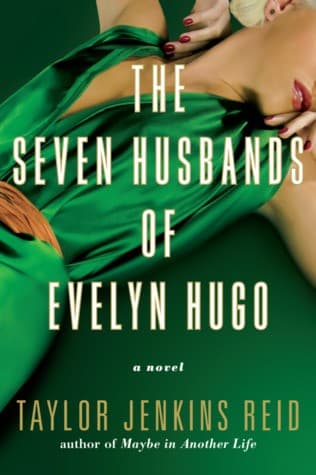
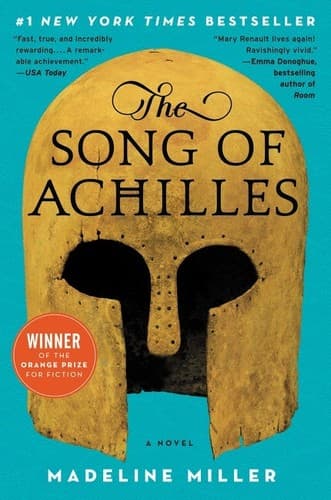
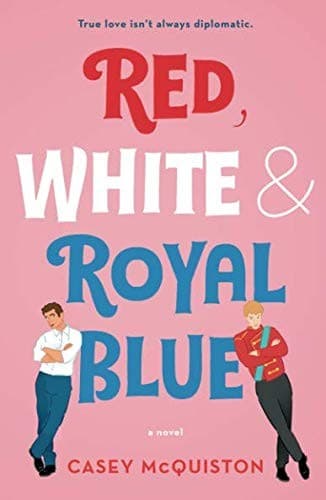
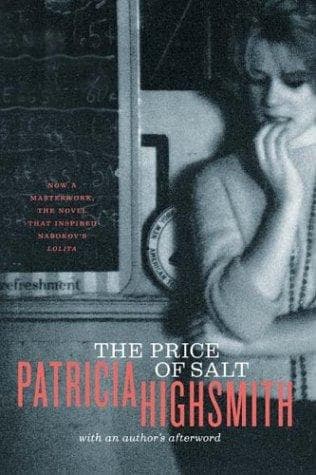
Films, books, and podcasts that reflect this experience — because representation matters, and you deserve to see yourself.
From Questions to Community
Your Starting Point for All Things Lavender Marriage
Did you know that lavender marriages are experiencing a global revival — driven largely by Gen Z? What was once a survival strategy for LGBTQ+ people in Hollywood's Golden Age is now being openly discussed, debated, and seriously considered by a new generation navigating an uncertain world.
At 2Lavenders, we're here to cut through the noise — and the myths — with honest, practical, privacy-first information. Whether you're curious, seriously considering it, or already in one, we share real information, legal resources, community connections, and positive representation. From history and law to films, books, and personal advice, our goal is simple: to make people exploring lavender marriages feel informed, supported, and not alone.
Learn More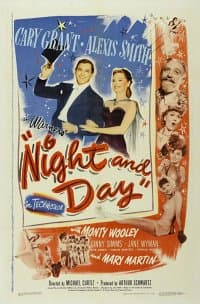


Frequently Asked Questions
A lavender marriage is a marriage between a man and a woman where one or both partners are LGBTQ+, entered into primarily to conceal their sexual orientation or gender identity. These are marriages of convenience rather than romantic partnerships.
Lavender has been associated with queer identity since at least the 1920s, blending pink and blue — colors traditionally associated with femininity and masculinity. The term "lavender marriage" became widely used to describe these arrangements, particularly those common in Hollywood's Golden Age.
Yes. While they were most common in Hollywood's Golden Age (1930s–1960s), lavender marriages remain relevant today for LGBTQ+ people in countries where homosexuality is criminalized, in deeply conservative communities, or where being openly queer poses serious risks to safety, family relationships, or career.
Reasons vary widely: protection from legal persecution, meeting family expectations, maintaining cultural or religious standing, immigration benefits, financial stability, social acceptance, or simply finding a safe and respectful partnership. Many people find genuine companionship and mutual support in these arrangements.
A lavender marriage is a legally recognized marriage — there is nothing inherently illegal about marrying someone of a different orientation. However, laws around marriage fraud, immigration, and related areas vary by country, so it's important to understand the legal context where you live.
Many people report successful, lasting arrangements built on honesty, mutual respect, and clear agreements. The key factors are open communication from the start, agreed boundaries, and ensuring both partners' needs — emotional, social, and personal — are understood and respected.
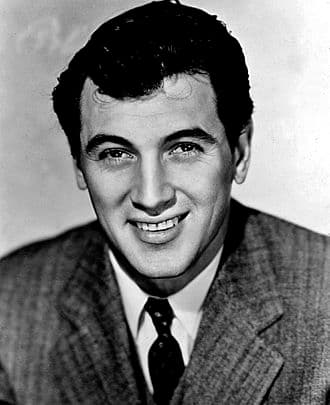
Well-known examples include Rock Hudson and Phyllis Gates, Rudolph Valentino and Jean Acker, and Judy Garland and Vincente Minnelli. These arrangements were often facilitated by Hollywood studios to protect stars' public images during an era of intense scrutiny.