Famous Figures in Lavender Marriages
Celebrities, artists, composers, and political figures who entered lavender marriages — and what their stories reveal about the era they lived in.
The history of lavender marriages is inseparable from the lives of the people who lived them. These are not just cautionary tales — they are stories of creativity, survival, genuine friendship, and the extraordinary lengths people went to in order to live and work in hostile environments.
Hollywood's Golden Age
The Hollywood studio system (roughly 1920s–1960s) was the most publicly documented arena for lavender marriages. Studios had enormous financial incentives to protect their stars' bankable images, and agents, publicists, and "fixers" worked to manage any threat — including the sexuality of their clients.
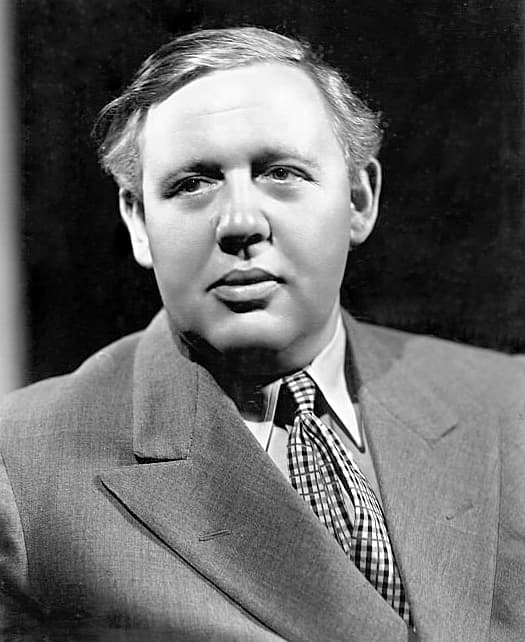
Charles Laughton & Elsa Lanchester
Married 1929 – Charles's death 1962
One of Hollywood's most candid and well-documented lavender marriages. Charles Laughton, the Oscar-winning British actor celebrated for roles in The Private Life of Henry VIII and Witness for the Prosecution, was gay — a fact Elsa Lanchester, herself a celebrated actress best known as the Bride of Frankenstein, knew from early in their relationship. When Laughton confessed to an affair with a man shortly after their marriage, Lanchester later wrote that she felt she could not leave him. The couple remained together for over three decades, moving in overlapping professional circles and maintaining a home in Hollywood. After Laughton's death in 1962, Lanchester spoke and wrote openly about the nature of their marriage, offering one of the most honest firsthand accounts of a lavender arrangement from the Golden Age era.
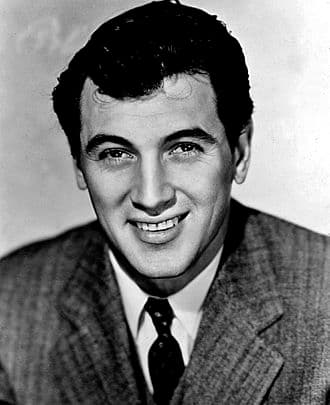
Rock Hudson & Phyllis Gates
Married 1955 – Divorced 1958
One of the most discussed lavender marriages in Hollywood history. Hudson, one of the biggest box-office draws of the 1950s, came under threat from tabloid magazine Confidential, which was poised to expose his homosexuality. His agent Henry Willson arranged a quick marriage to his own secretary, Phyllis Gates, to neutralize the story. The couple divorced two years later. Hudson publicly came out as gay in 1985 when he disclosed his AIDS diagnosis, becoming one of the first major celebrities to do so.
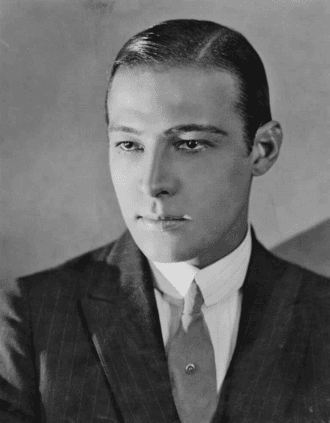
Rudolph Valentino & Jean Acker
Married 1919 – Divorced 1922
One of the earliest known lavender marriages in Hollywood. Valentino, a silent-film sex symbol, married actress Jean Acker in 1919 — reportedly to quell rumors about both of their sexualities. The marriage famously fell apart on its first night when Acker locked Valentino out of their hotel room. They divorced in 1922. Valentino went on to marry set designer Natacha Rambova, another relationship historians have long scrutinized.
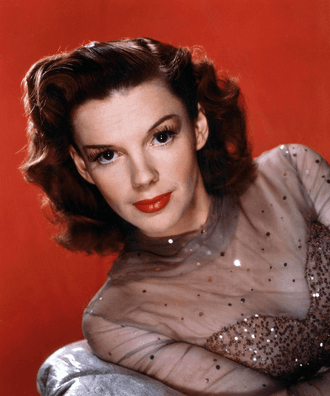
Judy Garland & Vincente Minnelli
Married 1945 – Divorced 1951
Director Vincente Minnelli was widely understood in Hollywood circles to be gay. His 1945 marriage to Judy Garland — herself a gay icon — produced daughter Liza Minnelli. The marriage ended in divorce in 1951. Garland went on to marry three more times. Friends and colleagues later described the relationship as a genuine but complicated partnership, shaped as much by studio expectations as personal connection.
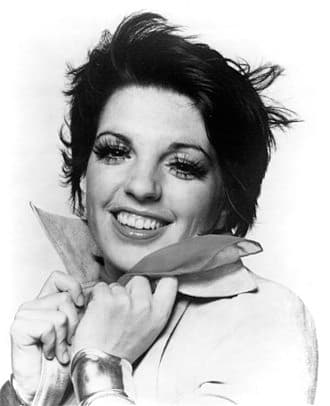
Liza Minnelli & Peter Allen
Married 1967 – Divorced 1974
Liza Minnelli married Australian entertainer Peter Allen in 1967. Allen was gay, a fact that became more openly acknowledged later in his life. The couple divorced in 1974. Allen went on to become a celebrated singer-songwriter before his death from AIDS-related complications in 1992. Their relationship inspired the Broadway musical The Boy from Oz.
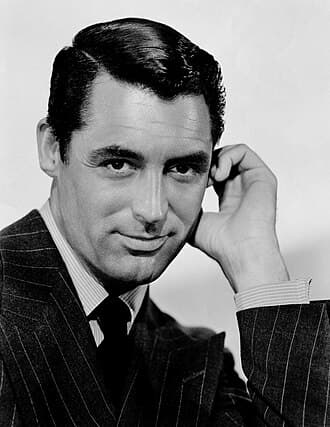
Cary Grant & Multiple Wives
5 marriages, 1934–1981
Cary Grant's longtime intimate relationship with actor Randolph Scott — with whom he shared homes in Beverly Hills and Santa Monica for nearly a decade — was an open secret in Hollywood. Studio publicity worked actively to suppress this. Grant married five times over his life. His wives and close associates later gave varied accounts of his sexuality; Grant himself never publicly addressed it.
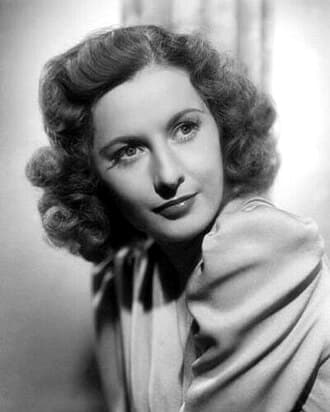
Barbara Stanwyck & Robert Taylor
Married 1939 – Divorced 1952
Both Stanwyck and Taylor were rumored to be gay or bisexual in Hollywood circles. MGM reportedly encouraged their marriage to manage public perception of both stars. Taylor was under studio pressure to counter rumors about his masculinity; Stanwyck had long been linked romantically to women. They married in 1939 and divorced in 1952.
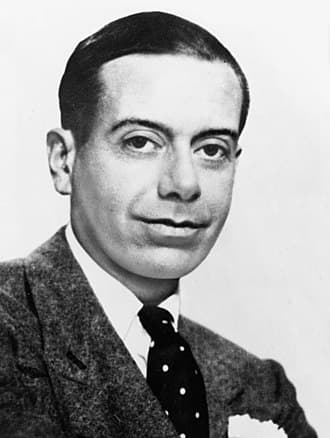
Cole Porter & Linda Lee Thomas
Married 1919 – Linda's death 1954
Composer Cole Porter married wealthy socialite Linda Lee Thomas in 1919. By most accounts, Linda was fully aware of Porter's homosexuality and the marriage was a mutually beneficial arrangement — she gained a companion and social partner; he gained respectability and financial independence. The two maintained a genuinely close and devoted friendship until Linda's death in 1954.
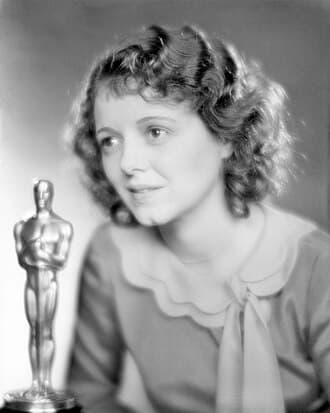
Janet Gaynor & Adrian
Married 1939 – Adrian's death 1959
Academy Award-winning actress Janet Gaynor and legendary MGM costume designer Adrian married in 1939. Both were widely understood within the industry to be gay. Gaynor had previously been in a long-term relationship with actress Mary Martin. Their marriage was described by those who knew them as warm and genuinely companionate. They had one son together.
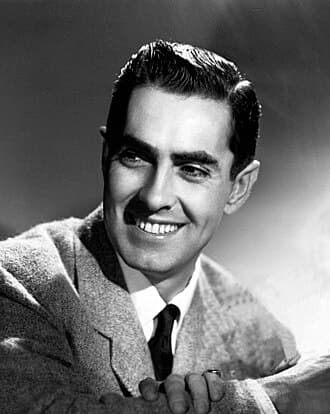
Tyrone Power & Annabella / Linda Christian
Married 1939 & 1949
Heartthrob actor Tyrone Power is widely believed to have been bisexual, with long-rumored relationships with men including Errol Flynn and Cesar Romero. His two marriages — to French actress Annabella (1939–1948) and Linda Christian (1949–1955) — are often cited as partly arranged or encouraged by the studio system. Power died in 1958 at age 44.
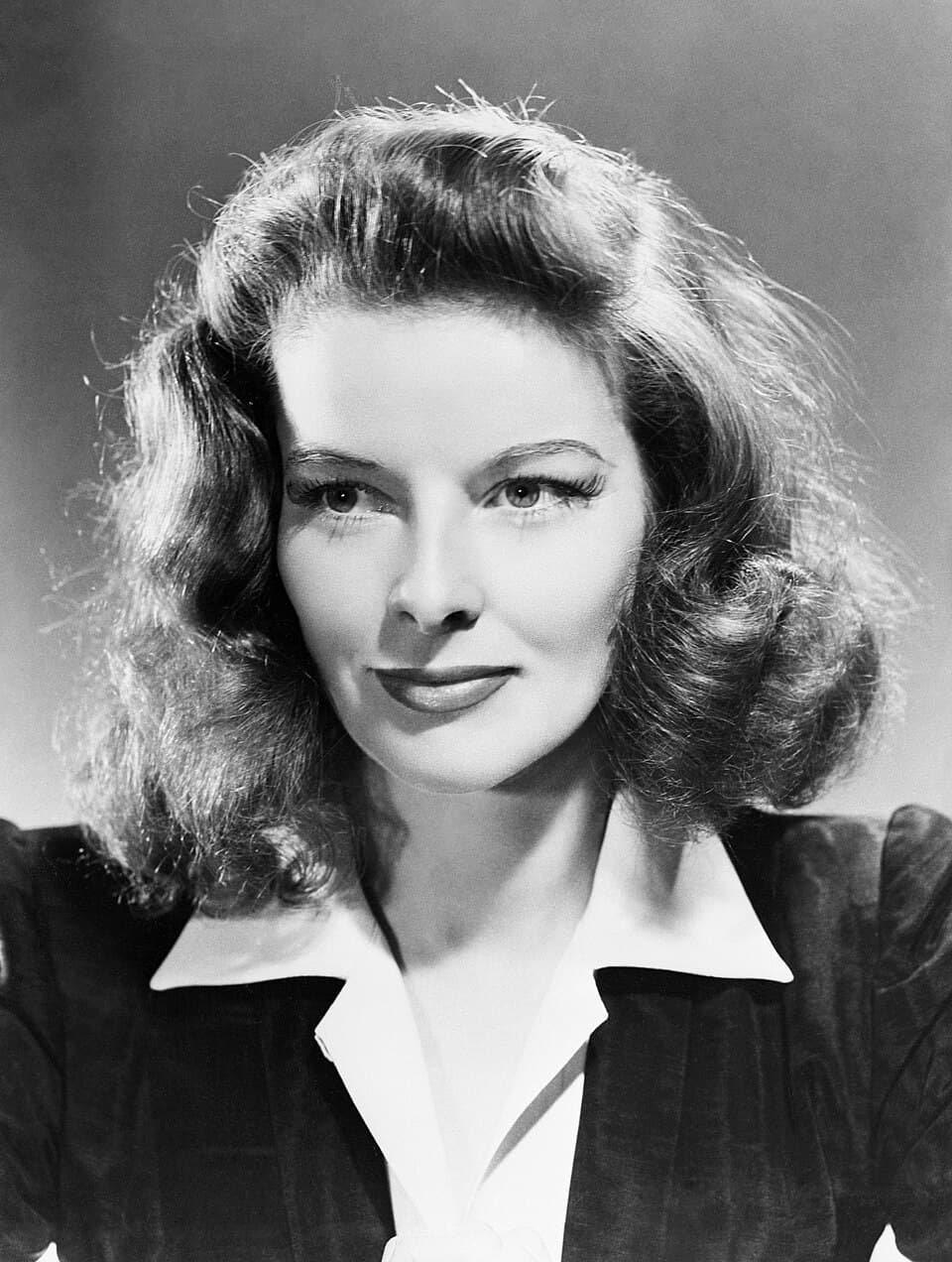
Katharine Hepburn & Various Partners
Long career: 1920s–1990s
Katharine Hepburn's personal life has long been the subject of historical scrutiny. Hepburn never married after an early divorce from socialite Ludlow Ogden Smith in 1934, but maintained decades of high-profile associations with men — most famously a 27-year relationship with Spencer Tracy — while historians and those close to her have long pointed to meaningful relationships with women, including agent and socialite Laura Harding. Unlike many peers, Hepburn resisted full studio-arranged marriages but is widely believed to have operated within carefully managed arrangements that served both her image and her private life. She remained famously guarded about personal matters until her death in 2003.
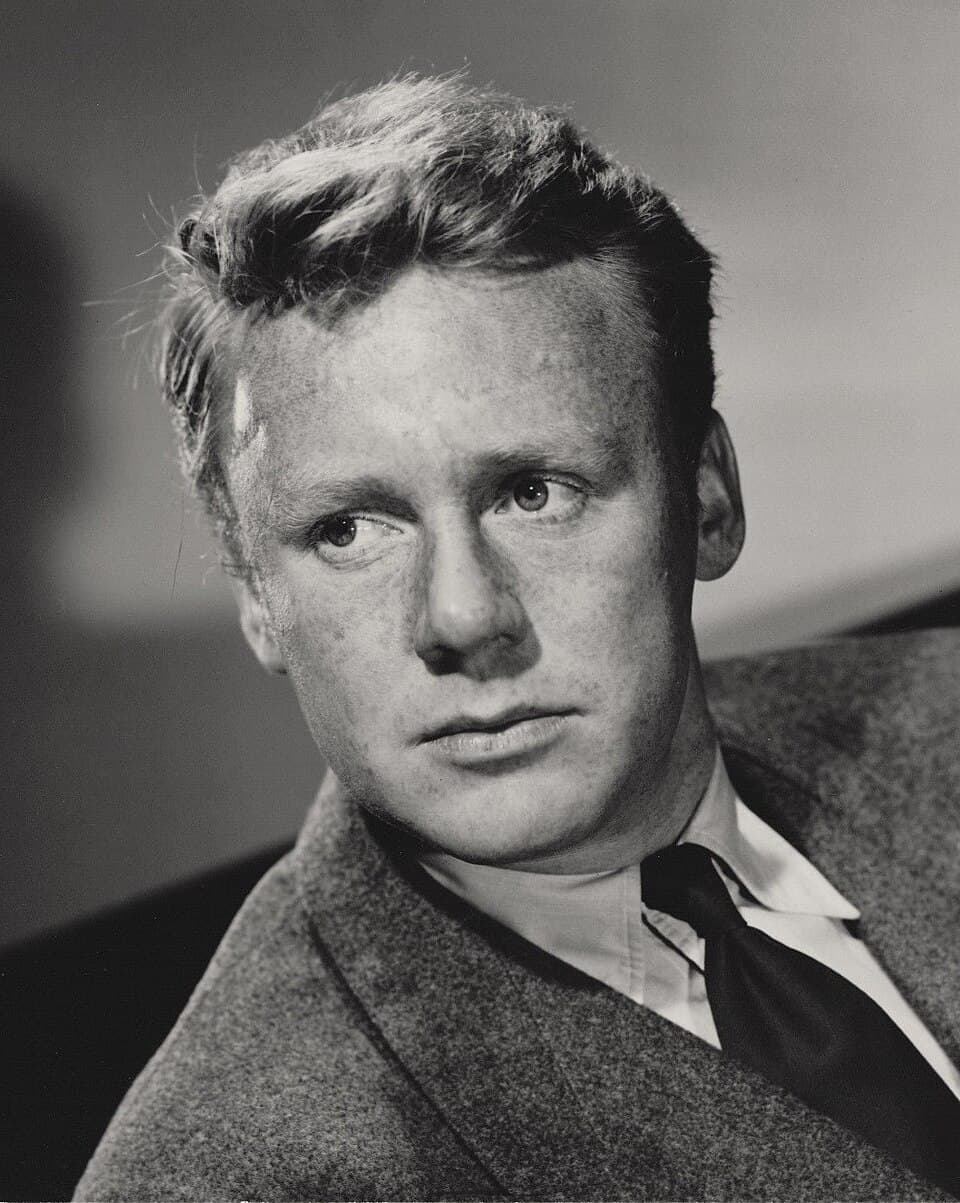
Van Johnson & Evie Wynn
Married 1947 – Divorced 1968
One of MGM's biggest wartime stars, Van Johnson was pushed into a marriage arranged by Louis B. Mayer to quell persistent rumors about his homosexuality. His bride was Eve Abbott, better known as Evie Wynn — the ex-wife of actor Keenan Wynn, who had himself been pressured by the studio to agree to the arrangement. In a statement published after her death, Eve confirmed: "They needed their 'big star' to be married to quell rumors about his sexual preferences and unfortunately, I was 'It'." The couple formally divorced in 1968, four years after Mayer's death, when Johnson reportedly left Eve during a West End run of The Music Man.
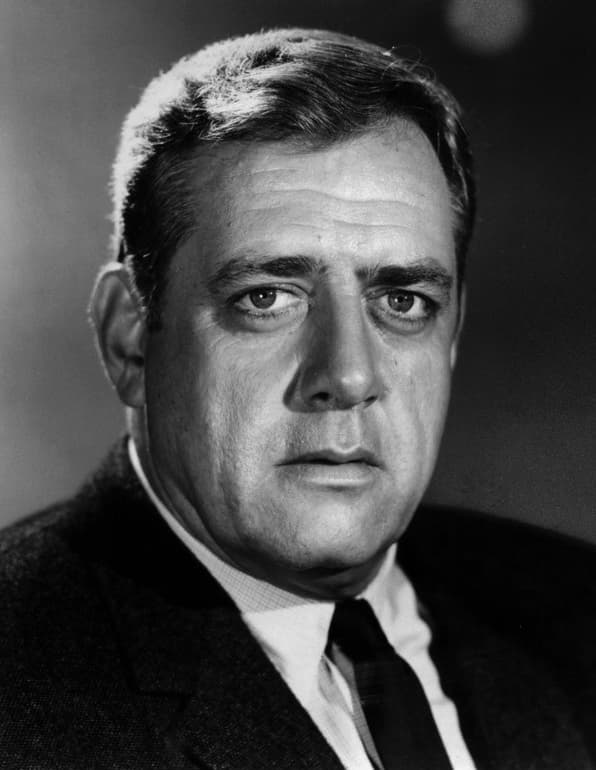
Raymond Burr & Isabella Ward
Married 1948 – Divorced 1952
Raymond Burr, best known as Perry Mason, married actress Isabella Ward in 1948 in what is widely regarded as a lavender arrangement. More unusually, throughout his career Burr and his publicists fabricated two additional marriages — to "Annette Sutherland" (allegedly killed in a 1943 plane crash) and "Laura Andrina Morgan" (allegedly died of cancer in 1955) — neither of which can be verified and both almost certainly invented to reinforce a heterosexual public image. From 1960 until his death in 1993, Burr lived with actor Robert Benevides as domestic partners; his homosexuality was widely reported by the press upon his death.
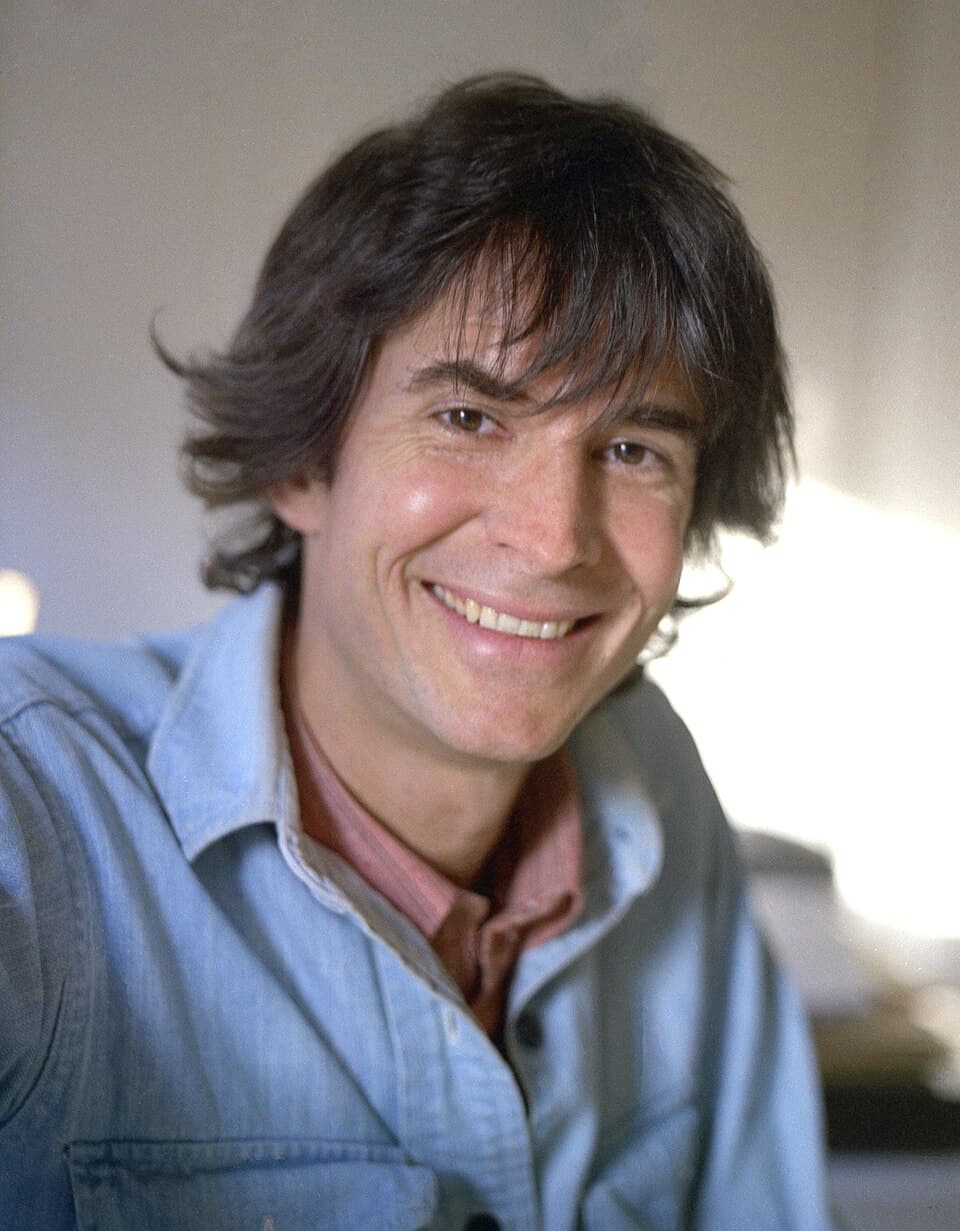
Anthony Perkins & Berry Berenson
Married 1973 – Anthony's death 1992
Anthony Perkins, forever associated with Norman Bates in Hitchcock's Psycho, had a well-documented history of relationships with men — including a years-long relationship with Tab Hunter in the late 1950s. In the early 1970s Perkins underwent conversion therapy, after which he pursued and married photographer Berry Berenson in 1973. Berenson acknowledged she knew of his sexuality before the wedding and chose to proceed. The couple had two sons and remained married until Perkins died of AIDS-related causes in 1992. Berenson died in the September 11, 2001 attacks.
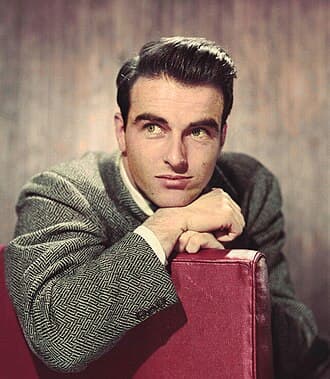
Montgomery Clift (never married)
Notable for refusing the system
Unlike many peers, Montgomery Clift never entered a lavender marriage despite enormous studio pressure to do so. Clift, who was bisexual, resisted the studio system's demands throughout his career. His refusal is notable in the history of lavender marriages as a counterpoint — a glimpse of what resisting these arrangements cost, including intense scrutiny, a reputation for being "difficult," and personal isolation.
William Haines & Jimmy Shields
Partners 1926 – Haines's death 1973
MGM's top box-office draw in 1929, William Haines refused the studio's ultimatum to marry a woman or lose his contract. Louis B. Mayer gave him the choice explicitly: end his relationship with partner Jimmy Shields and enter a lavender marriage, or be dropped. Haines chose Shields. He was immediately blacklisted from the major studios, effectively ending his acting career. He and Shields remained partners for over forty years, building a second career as one of Hollywood's most celebrated interior decorators — eventually designing homes for Joan Crawford, Jack Warner, and Ronald Reagan, among others. His refusal stands as one of the most direct and costly rejections of the lavender marriage system in Golden Age Hollywood.
Beyond Hollywood
Lavender marriages were never exclusively a Hollywood phenomenon. Writers, composers, politicians, and aristocrats across the world navigated the same pressures — sometimes with devastating consequences, sometimes with surprising grace.
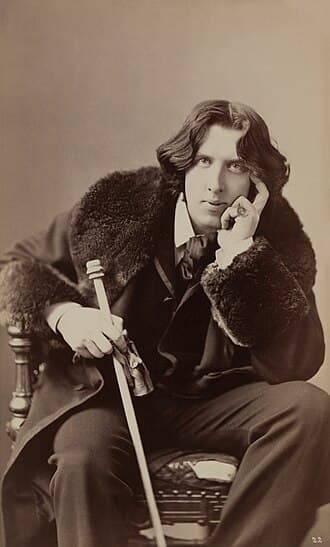
Oscar Wilde & Constance Lloyd
Married 1884 – Oscar's imprisonment 1895
Perhaps the most tragic example of the era before the term "lavender marriage" existed. Wilde, already privately engaging in relationships with men, married Constance Lloyd in 1884. The couple had two sons. Wilde's relationship with Lord Alfred Douglas led to his prosecution for "gross indecency" in 1895, conviction, and two years of hard labor. Constance changed her surname and that of their children and died in 1898, two years before Oscar.
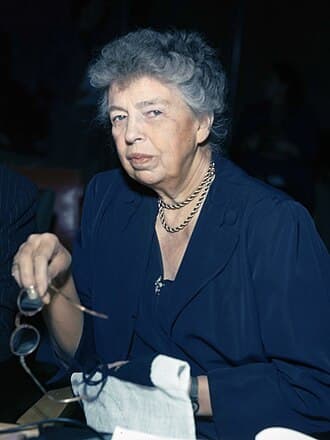
Eleanor Roosevelt & Franklin D. Roosevelt
Married 1905 – Franklin's death 1945
Widely believed by historians to be a deeply political partnership rather than a traditional romantic marriage. Eleanor Roosevelt had a decades-long intimate relationship with journalist Lorena Hickok, and Franklin Roosevelt had relationships with other women. Their correspondence strongly suggests Eleanor's relationship with Hickok was romantic in nature. Together, the Roosevelts reshaped American politics.
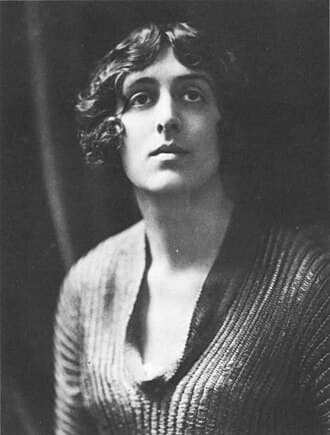
Vita Sackville-West & Harold Nicolson
Married 1913 – Harold's death 1968
One of history's most documented open marriages between two queer people. Author Vita Sackville-West was lesbian or bisexual — she had a celebrated love affair with Virginia Woolf — and diplomat Harold Nicolson was gay. Their marriage was a genuine friendship and intellectual partnership that both openly acknowledged in letters and diaries. They remained devoted partners until Harold's death.
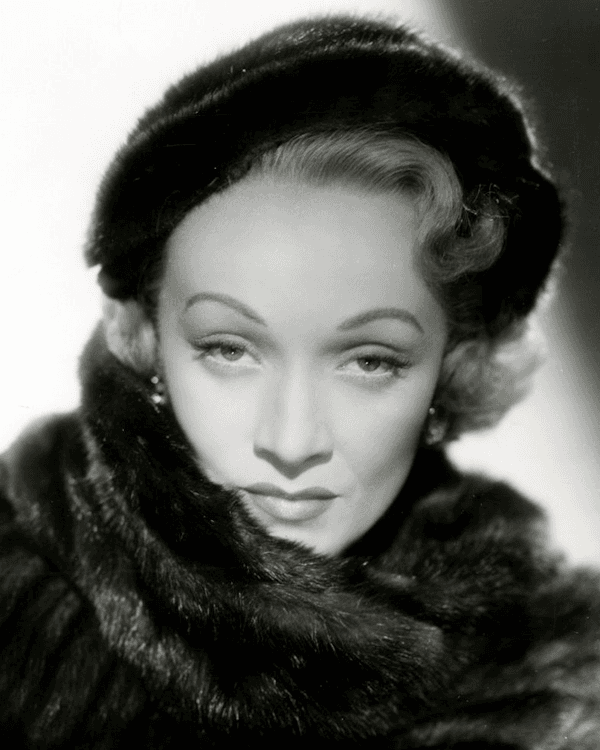
Marlene Dietrich & Rudolf Sieber
Married 1923 – Sieber's death 1976
Marlene Dietrich, who was openly bisexual within her private circle, married assistant director Rudolf Sieber in 1923. After her rise to Hollywood stardom, the couple lived almost entirely separate lives, with Dietrich conducting numerous affairs with both men and women — all generally known to Sieber, to whom she reportedly forwarded her lovers' letters with editorial commentary. Sieber himself took a long-term companion, Russian dancer Tamara Matul, and the couple never divorced. Their daughter Maria Riva documented the arrangement with unflinching candor in her 1992 biography, making this one of the most thoroughly described open marriages of the 20th century.
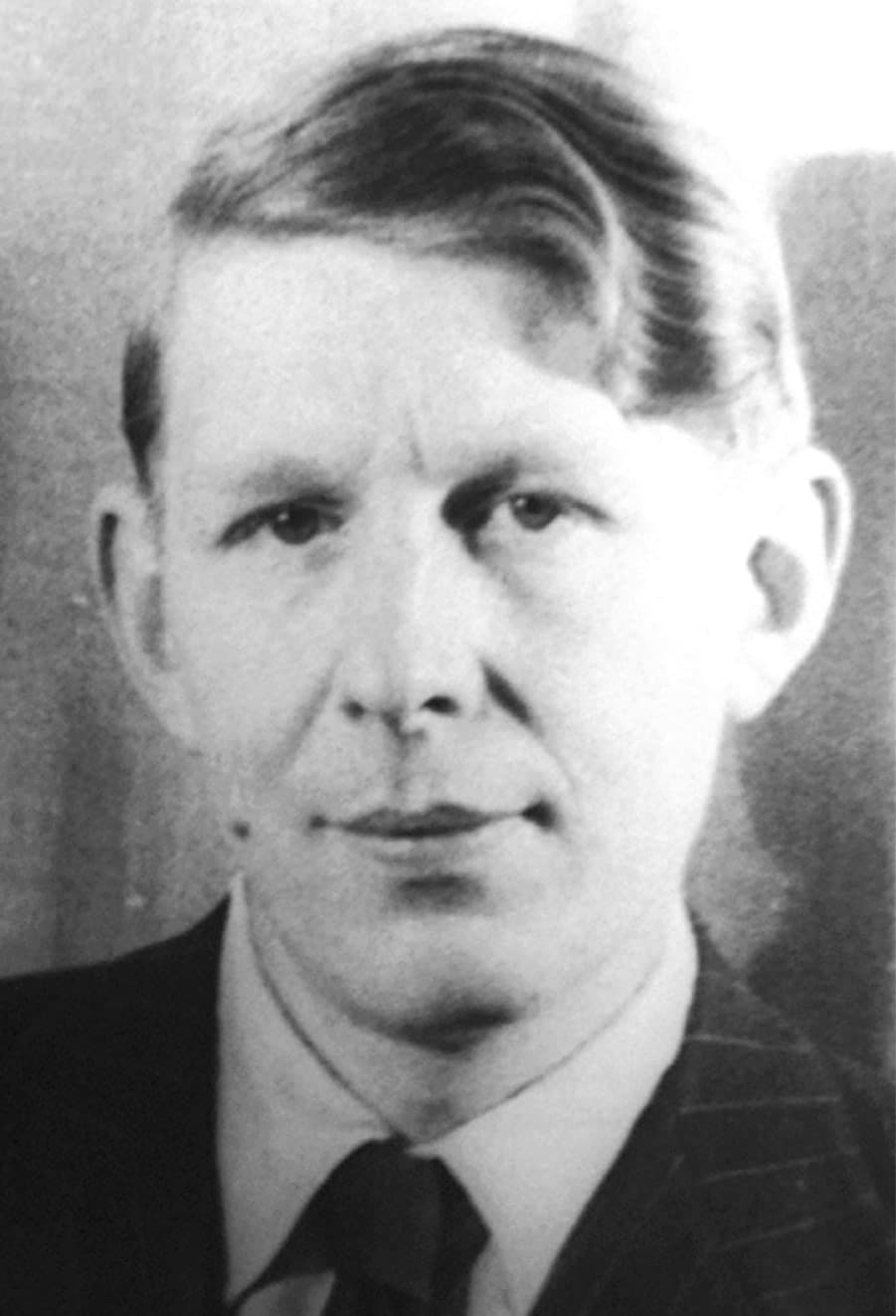
W.H. Auden & Erika Mann
Married 1935 – Erika's death 1969
One of the most openly acknowledged marriages of convenience in literary history. When the Nazi government moved to strip bisexual novelist Erika Mann — daughter of Thomas Mann — of her German citizenship, she first asked Christopher Isherwood to marry her for a British passport. He declined but suggested his friend W.H. Auden, who agreed by telegram almost immediately. The two never lived together; the marriage was a purely legal act of political solidarity. Auden and Mann remained on warm terms for life, and she left him a small bequest in her will. The following year, Auden helped arrange a similar passport marriage for Mann's companion, actress Therese Giehse.
Katharine Cornell & Guthrie McClintic
Married 1921 – McClintic's death 1961
One of Broadway's most enduring creative and personal partnerships. Katharine Cornell was widely regarded as the greatest American stage actress of her era; Guthrie McClintic was her director-husband, and one of the most respected directors on the New York stage. Both were widely understood within theater circles to be gay, and their forty-year marriage was broadly regarded as a partnership of convenience that gave each the social cover to live more authentically in private. Unlike the studio-enforced lavender marriages of Hollywood, this was a working arrangement built on genuine professional admiration and lasting friendship — they collaborated on dozens of productions and remained devoted to each other until McClintic's death.
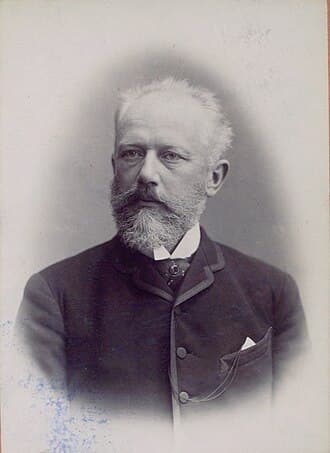
Tchaikovsky & Antonina Miliukova
Married 1877 – Separated weeks later
Composer Pyotr Ilyich Tchaikovsky, under intense social and professional pressure, entered a disastrous brief marriage to Antonina Miliukova in 1877 to suppress rumors about his homosexuality. The marriage collapsed within weeks and left Tchaikovsky in a severe mental health crisis. The episode is one of the most painful historical examples of the toll lavender marriages could take when entered into out of desperation rather than mutual agreement.
Modern Mixed-Orientation Marriages
The term "lavender marriage" was coined to describe covert arrangements made under social duress. Today, some couples in mixed-orientation marriages embrace their arrangements openly — and push back against the label entirely. These contemporary examples show how the conversation has shifted.
Princess Märtha Louise of Norway & Durek Verrett
Married August 2024
A contemporary case that illustrates how the term "lavender marriage" continues to be applied — and contested — today. Norwegian princess Märtha Louise married American spiritual guide Durek Verrett in August 2024. Because Verrett is openly bisexual and had been introduced to Märtha Louise's daughters as her "gay best friend" when their relationship began in 2018, social media users widely accused the couple of being in a lavender marriage. The couple responded publicly in an October 2025 Instagram video — dressed in lavender — humorously denying the label. Their wedding was documented in the Netflix documentary Rebel Royals: An Unlikely Love Story (2025).
Samantha Wynn Greenstone & Jacob Hoff
Married November 2024
One of the most publicly visible modern mixed-orientation couples. Samantha Wynn Greenstone (straight) and Jacob Hoff (gay) are Los Angeles-based actors who met at an audition in 2015 and married in November 2024. Hoff describes Greenstone as the sole exception to his experience of attraction; both actively reject the "lavender marriage" label, describing their connection as a genuine love match rather than a social arrangement. With roughly five million social media followers, they have become prominent voices in conversations about what marriage can look like. Their story was featured in The Washington Post and The Guardian in 2025, and they were expecting their first child at the time of publication.